

How to Plan a Gaucho Experience in Argentina Today
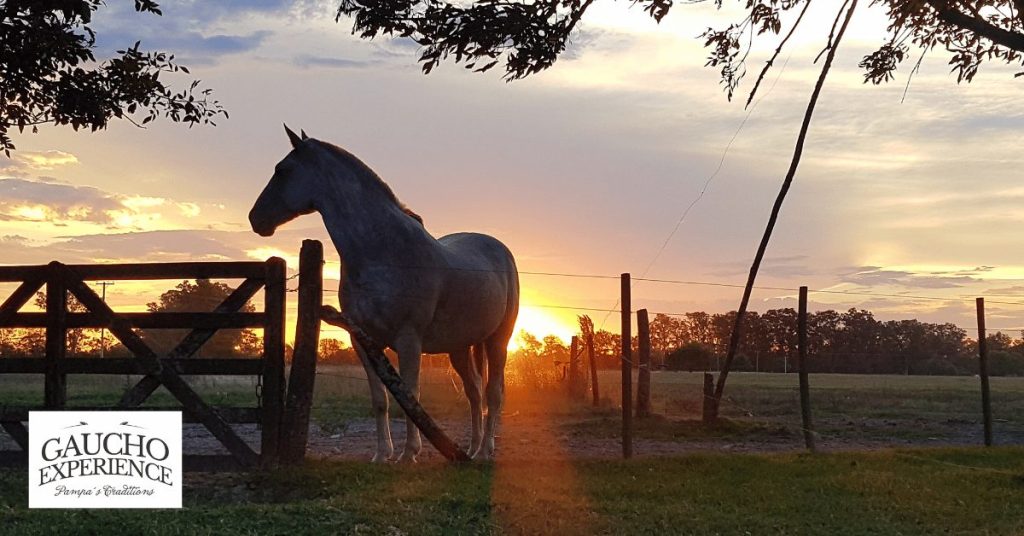
If you’ve ever watched a gaucho guide a horse across open grassland at dusk, you understand why this culture has defined Argentina for centuries. A gaucho experience isn’t a theme park — it’s a living tradition, still practiced on working estancias across the Pampas and beyond.
This guide walks you through everything you need to plan yours: what to expect, where to go, how long to stay, and how to make it count.
What Is a Gaucho Experience?
Gauchos are Argentina’s iconic horsemen — skilled riders, cattle handlers, and landworkers who shaped the rural identity of the Río de la Plata region from the 17th century onward. Think of them as the Argentine equivalent of the American cowboy, except the cultural roots run deeper and the culinary tradition is far more elaborate.
A gaucho experience is any immersive visit to an estancia (ranch) where you engage with that tradition firsthand — riding horses through open fields, watching or joining cattle work, sharing a slow asado around an open fire, and spending time with people who still live by the gaucho code.
What separates a genuine gaucho experience from a tourist show is authenticity. The best estancias in Argentina aren’t staging a performance — they’re inviting you into a working world.
Traditional gaucho activities include:
- Horseback riding across the Pampas
- Watching or participating in cattle herding (arreo)
- Asado — the Argentine art of slow-fire grilling
- Mate sharing, the social ritual behind Argentina’s national drink
- Doma india and other traditional gaucho skills
- Folk music (música criolla) and traditional dances like the malambo
Choosing the Right Location
Argentina is a large country, and gaucho culture shows up differently depending on the region. Here’s what you need to know.
The Pampas — The Heartland of Gaucho Culture
The Pampas is where gaucho culture was born and where it remains most alive. This vast grassland stretching south and west of Buenos Aires is home to hundreds of working estancias, many of which have opened their doors to visitors without losing their agricultural identity.
San Antonio de Areco, located about 80 miles northwest of Buenos Aires, is the undisputed capital of gaucho tradition. The town hosts the annual Fiesta de la Tradición (November), the most important gaucho festival in the country, and its surrounding estancias offer some of the most authentic day trips and overnight stays available. If you’re flying into Buenos Aires and want a gaucho experience within easy reach, this is your starting point.
Factors to Consider When Choosing a Location
- Distance from Buenos Aires: Most international visitors fly into Ezeiza. San Antonio de Areco is the most accessible option for a day trip or overnight.
- Type of experience: Working ranch vs. upscale estancia resort — both are valid, but they offer different things.
- Group size: Some estancias specialize in private experiences; others run large group visits daily.
- Season: Spring (September–November) and fall (March–May) are ideal across all regions.
Planning Your Itinerary
How Long Should You Stay?
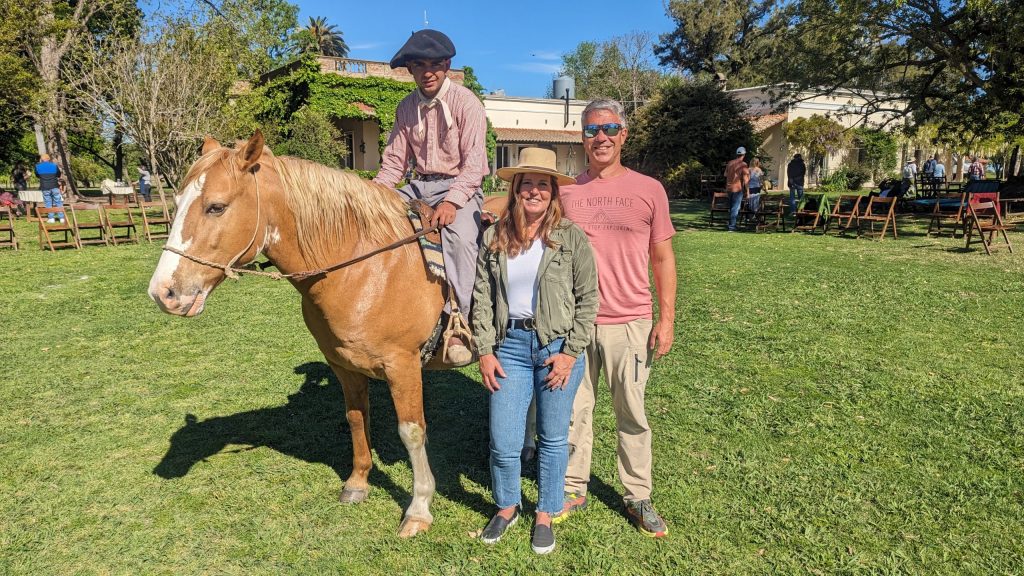
One day is enough to get a meaningful taste — a half-day gaucho experience from Buenos Aires can include a horse ride, asado lunch, and cultural demonstrations. It’s the most popular format for travelers on tight schedules.
Two to three days on an estancia changes the experience entirely. You wake up to morning fog over the Pampas, join the gauchos for their first rounds with the horses, eat every meal cooked over open fire, and slow down in a way that a city itinerary simply doesn’t allow.
One week is for travelers who want depth — moving between regions, pairing an estancia stay with Buenos Aires, and perhaps catching a local festival.
Key Activities to Build Into Your Itinerary
A well-planned gaucho itinerary includes:
Horseback riding — the non-negotiable. Even if you’ve never ridden before, estancias with good guides can get you comfortable in the saddle quickly.
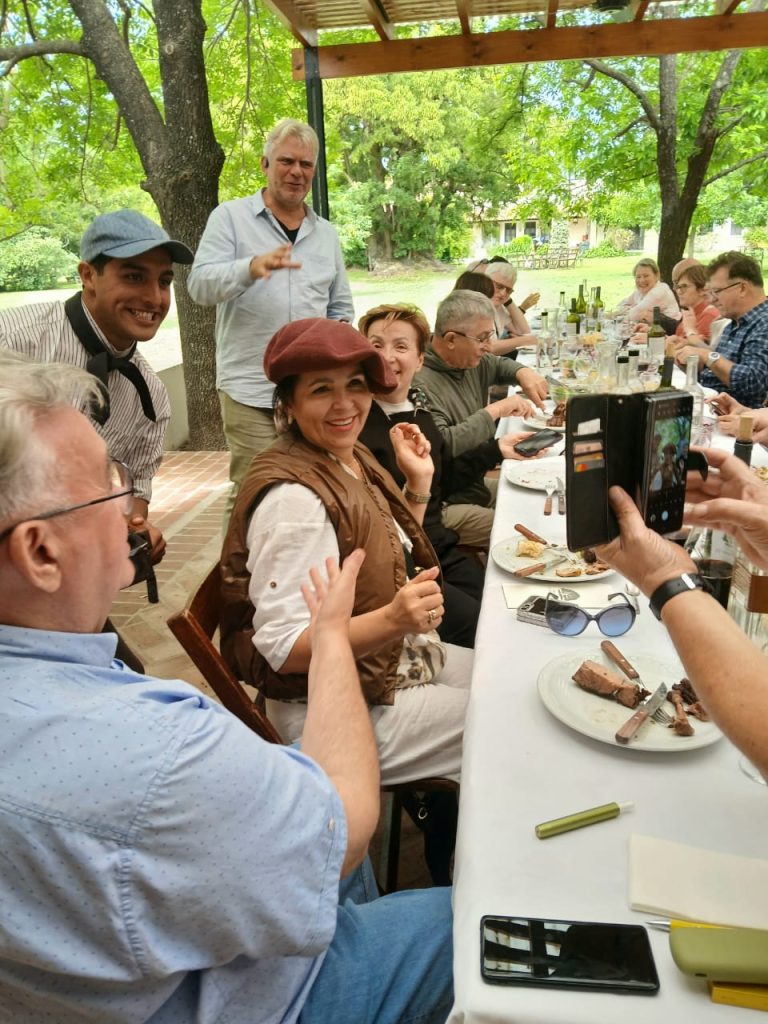
Traditional asado — Argentine gaucho food is an event, not just a meal. A proper asado involves multiple cuts of beef, offal, bread, and chimichurri, cooked slowly on a wood fire for two to three hours. Plan your schedule around it.
Mate ceremony — sharing mate is the social glue of gaucho culture. Understanding how to accept, hold, and pass the gourd is a small gesture that earns a lot of respect.
Cultural demonstrations — folk dances, lasso work, and traditional equestrian games called jineteadas vary by estancia. Ask what’s offered before you book.
For travelers interested in the food dimension specifically, our private gaucho experience for foodies includes all of the above with a dedicated focus on wine, asado, charcuterie, and Argentine artisan food traditions.
Tips for Travelers
Best Time of Year to Visit
Argentina’s gaucho country is beautiful year-round, but the sweet spots are:
Spring (September–November): Wildflowers across the Pampas, mild temperatures, and the run-up to the Fiesta de la Tradición in November. This is peak season for a reason.
Fall (March–May): Slightly cooler, less crowded, and the landscape shifts into golden tones. Asado weather by definition.
Summer (December–February): Hot and humid in the Pampas, but possible. Avoid midday riding in January.
Winter (June–August): Cold mornings, low tourist traffic, and a more solitary version of the experience. Not recommended for families with young children.
What to Pack and Wear
Gaucho experiences are outdoor, physical, and rural. Dress accordingly:
- Long pants: Jeans or riding pants work well. Avoid shorts for horseback riding — inner thigh chafing is real.
- Closed-toe shoes: Boots are ideal; sneakers work. No sandals or flip-flops near horses.
- Layers: Mornings on the Pampas can be cool even in summer. Pack a light jacket.
- Sun protection: Hat, sunglasses, SPF. The Pampas is flat and exposed.
- Camera with a long lens: The landscapes reward it.
Leave perfume and cologne at the hotel — strong scents can spook horses.
Frequently Asked Questions
What activities can I participate in during a gaucho experience?
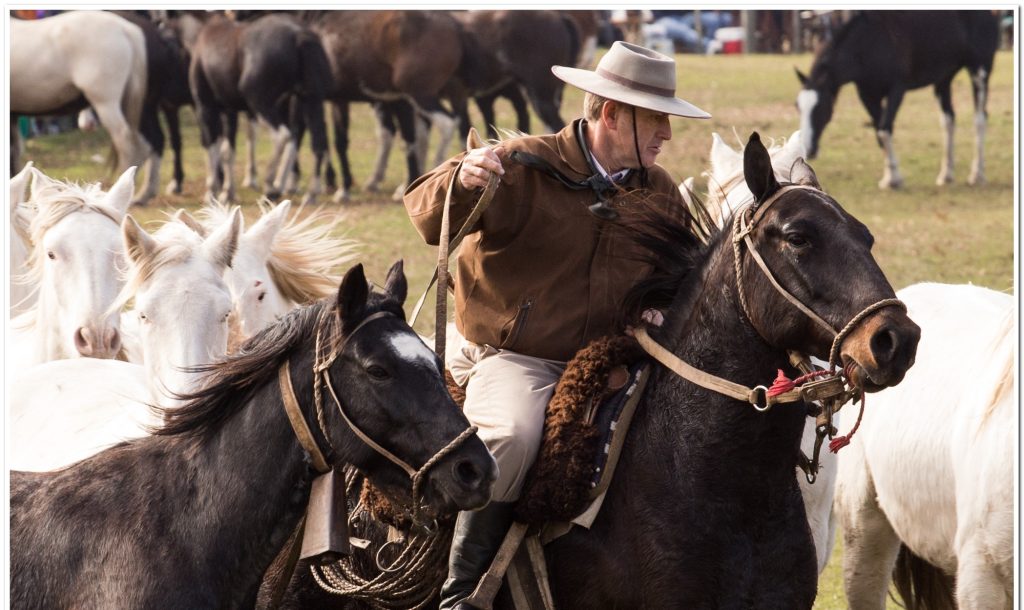
Most estancias offer horseback riding, asado lunches, mate ceremonies, and cultural demonstrations like boleadoras and lasso work. Higher-end or private experiences may also include wine tastings, artisan food tours, carriage rides, and pato, the gaucho game. The specific activities vary by property, so confirm before booking.
How much does a gaucho experience cost on average?
Day trips from Buenos Aires typically range from $80 to $200 USD per person, depending on whether the visit is group-based or private and what’s included. Overnight stays at estancias range from $150 to $400+ USD per night with meals. Private experiences — which include personalized attention, smaller groups, and often higher-quality food and wine — sit at the upper end of that range and are generally worth the difference.
Is it suitable for families with children?
Yes, and often a highlight for kids. Horses, open fields, and hands-on activities tend to capture children’s attention in a way that museum visits don’t. Most estancias can accommodate families and adjust the pace accordingly. If you have very young children (under 5), confirm the riding options and whether there are non-riding alternatives available throughout the day.
Do I need prior horseback riding experience?
No. The majority of gaucho experience visitors are beginners, and good estancias account for that. Horses used for tourism are typically calm and well-trained, and guides walk alongside beginners for the first stretch. If you have riding experience and want something more demanding, say so when you book — most estancias can accommodate both.
What should I know about gaucho cuisine?
Argentine gaucho food is built around beef, fire, and time. A traditional asado involves multiple cuts — often including chorizo, morcilla (blood sausage), short ribs, and flank steak — cooked low and slow over wood or charcoal. Accompaniments are minimal by design: chimichurri, salad, bread. Wine is always present.
Beyond asado, gaucho food culture includes empanadas, mate, alfajores, and increasingly, artisan products like Cerdo Rojo cured pork and regional wines. If food is a major draw for you, look for experiences that treat the culinary side as seriously as the riding. Our Argentine gaucho food guide covers every dish and drink in detail.
Ready to Experience Gaucho Culture?
A gaucho experience is one of those trips that doesn’t require much justification once you’re there. The landscape does the work. So does the food, the pace, and the quiet competence of people who have lived this way for generations.
If you’re looking for a private, food-forward gaucho day from Buenos Aires, explore our private gaucho experience in San Antonio de Areco — designed for travelers who want depth, not just a photo.
Share in socials
WANT TO KNOW THE 'GAUCHO ARGENTINO'? BOOK A TOUR!
You may also be interested in: