

Why Experience the Gaucho Life in San Antonio de Areco

An Estancia is a traditional rural property in the Argentine Pampas. Its origin is closely tied to livestock farming and fieldwork, activities that shaped the gaucho culture. Today, many Estancias still maintain their original structure and serve as spaces where visitors can experience firsthand how rural Argentine life was lived—and still is. This type of experience has become key for those seeking to understand local identity beyond Buenos Aires city.
The Origin and Present of Gaucho Culture
The figure of the gaucho emerged in the Pampas during the 18th and 19th centuries. He was an independent worker, skilled in horseback riding, herding cattle, and traveling vast distances. His life was defined by his connection with horses, mastery of rural tools, and a direct relationship with the land. Over time, the gaucho became a cultural symbol: representing Creole identity, tradition, and a way of life grounded in practicality, simplicity, and hard work.
Today, gaucho culture remains alive in San Antonio de Areco. Traditional crafts, such as silver and leather work, continue to thrive, as do equestrian competitions. The local gastronomy still honors typical recipes like asado (Argentine barbecue) and empanadas. Tradition is not a spectacle here—it’s part of the daily life of a community that lives in harmony with its history.
What Makes a Gaucho Experience Authentic
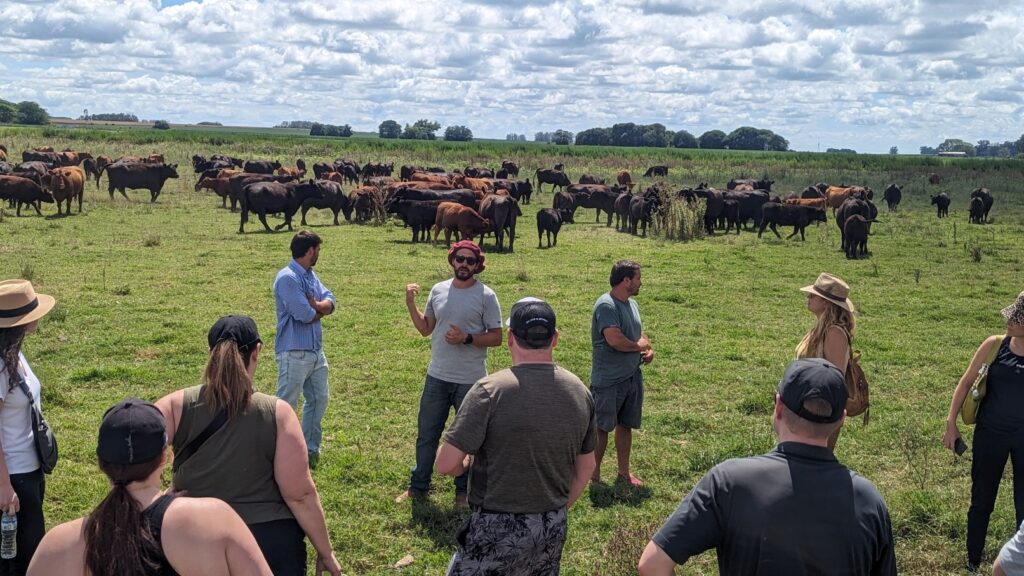
Authenticity lies in direct contact with real rural life. The Estancia is an environment where visitors can witness the organization of fieldwork, observe the care of horses, see how historical buildings are maintained, and learn how the land is worked. This isn’t a recreation—it’s a way of life that continues to this day.
The value of this experience is in the combination of tangible elements: original architecture, open spaces, active rural practices, and a tradition passed down from generation to generation. This ensures that each visit is genuine and focused on showcasing the culture as it truly is.
Gaucho Activities During a Visit to an Estancia
The main activities are centered around rural work and the relationship between the gaucho and the horse. Some of the most common activities include:
– Guided horseback rides around the Estancia.
– Carriage rides for those seeking a more relaxed option.
– Equestrian skill demonstrations, where visitors can see the gaucho’s talent and his bond with the horse.
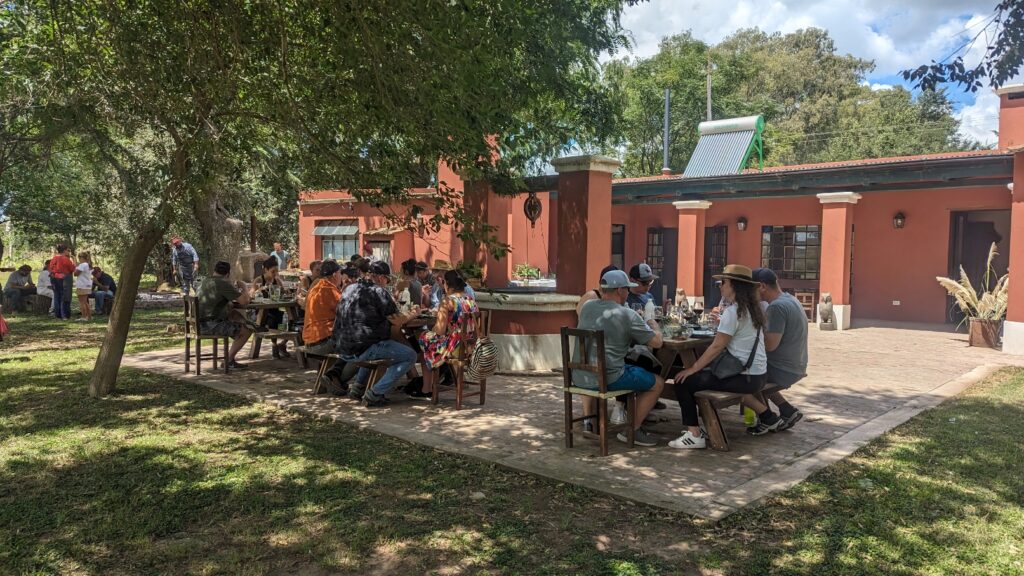
– A typical lunch featuring Argentine asado, empanadas, and other traditional local dishes.
– Free time to rest, take a walk, or simply enjoy the natural beauty of the countryside.
These activities offer a comprehensive view of how gaucho culture is expressed in everyday life.
San Antonio de Areco: The City that Keeps Tradition Alive
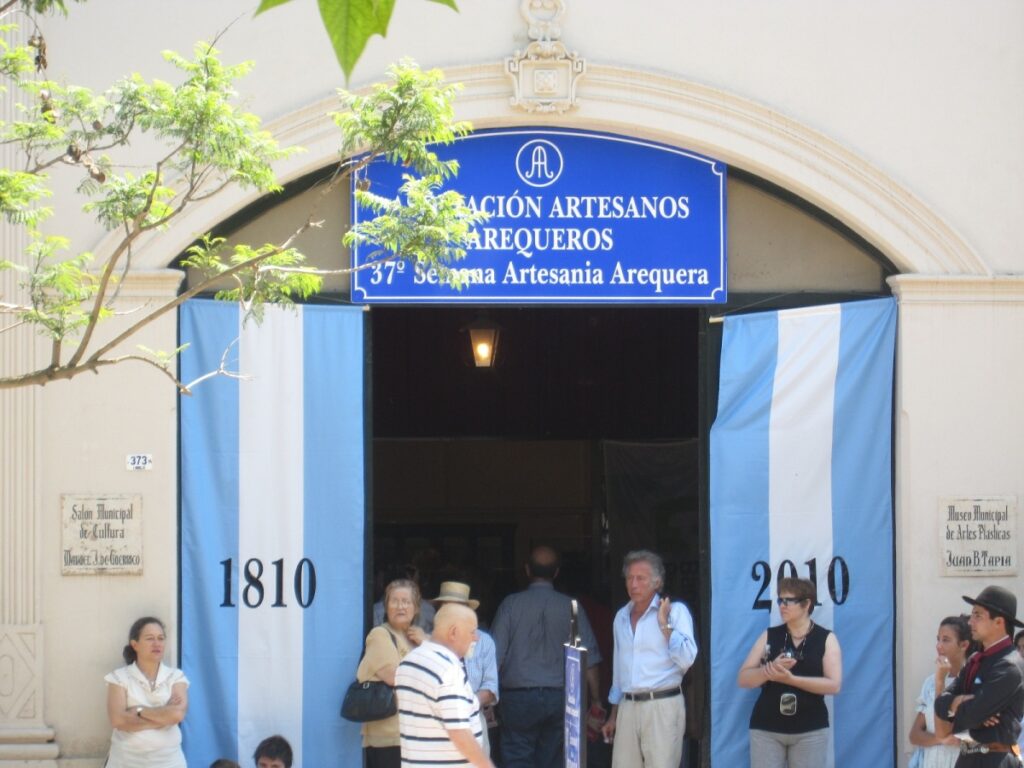
San Antonio de Areco is known as one of the most representative destinations of gaucho culture in Argentina. The city preserves traditional crafts, museums dedicated to Creole history, artisan workshops, and a lively calendar of events tied to rural customs. It also maintains a close connection to its Estancias, where rural practices are still an integral part of daily life.
Choosing a gaucho experience in Areco ensures a connection with a community that values its heritage and the passing down of its roots. It’s an ideal destination for those looking for a memorable experience grounded in Argentina’s rich cultural history.
Share in socials
WANT TO KNOW THE 'GAUCHO ARGENTINO'? BOOK A TOUR!
You may also be interested in: